Discover the treasures of history
Step beyond the ordinary and into a world of masterpieces.
At Treasuregate Gallery, we celebrate the timeless beauty of art, from rare antiquities to natural history that show ancient ways of life to the beauty of our planet.
Each piece in our collection tells a story—of culture, craftsmanship, and the past.
Whether you're a seasoned collector or a passionate admirer, our gallery offers a gateway to treasures waiting to be discovered.
Own a piece of history.
New Minerals





New Artworks
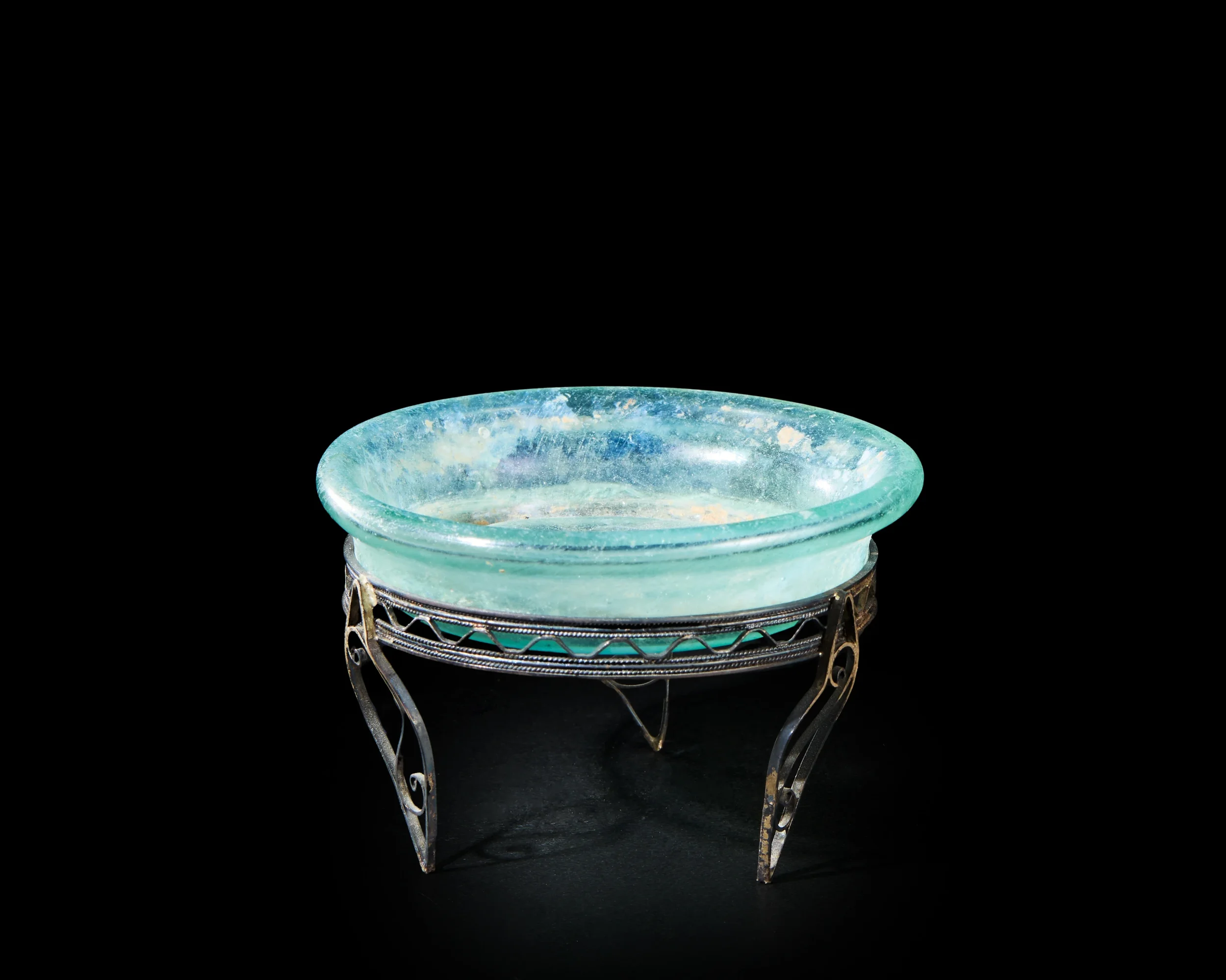
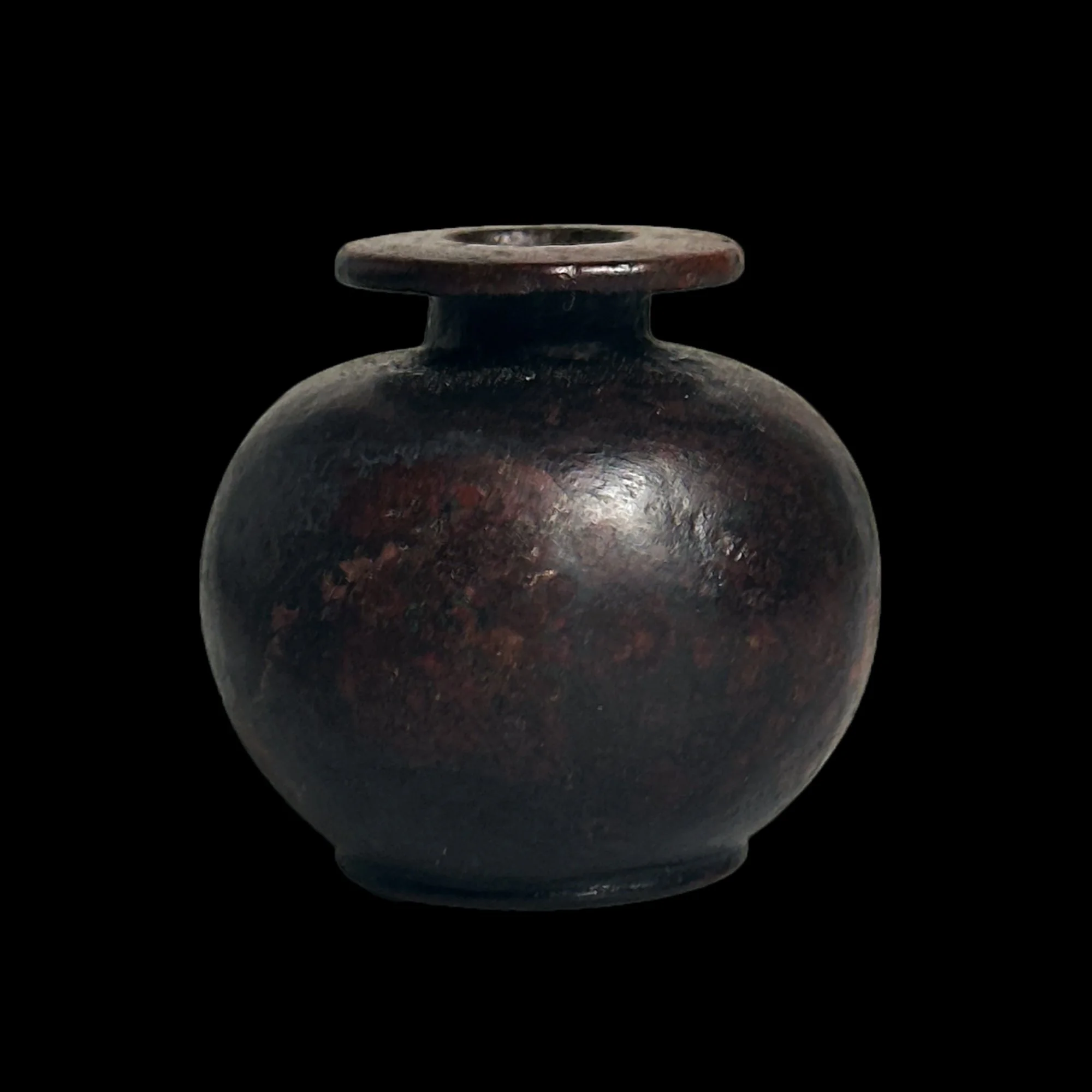
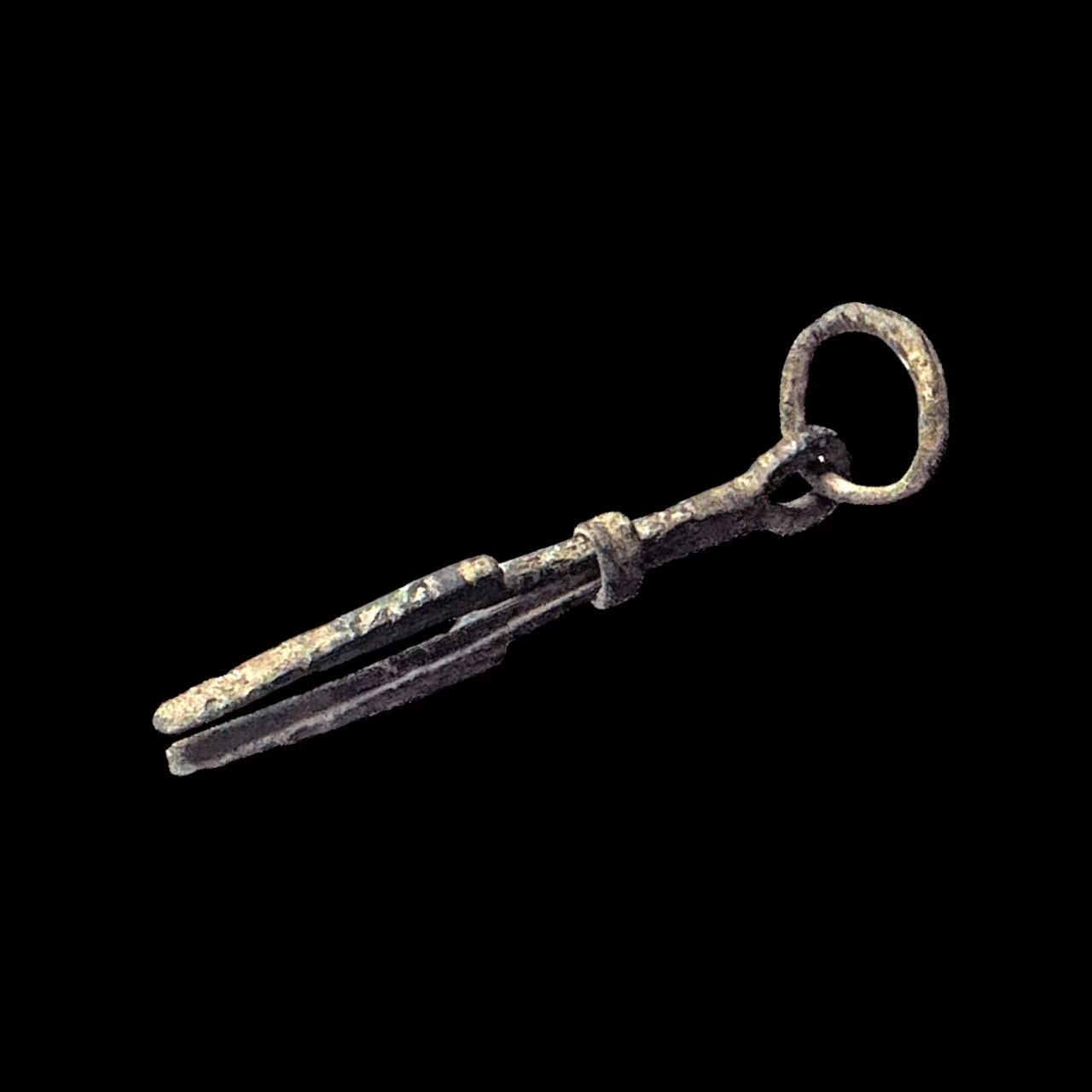

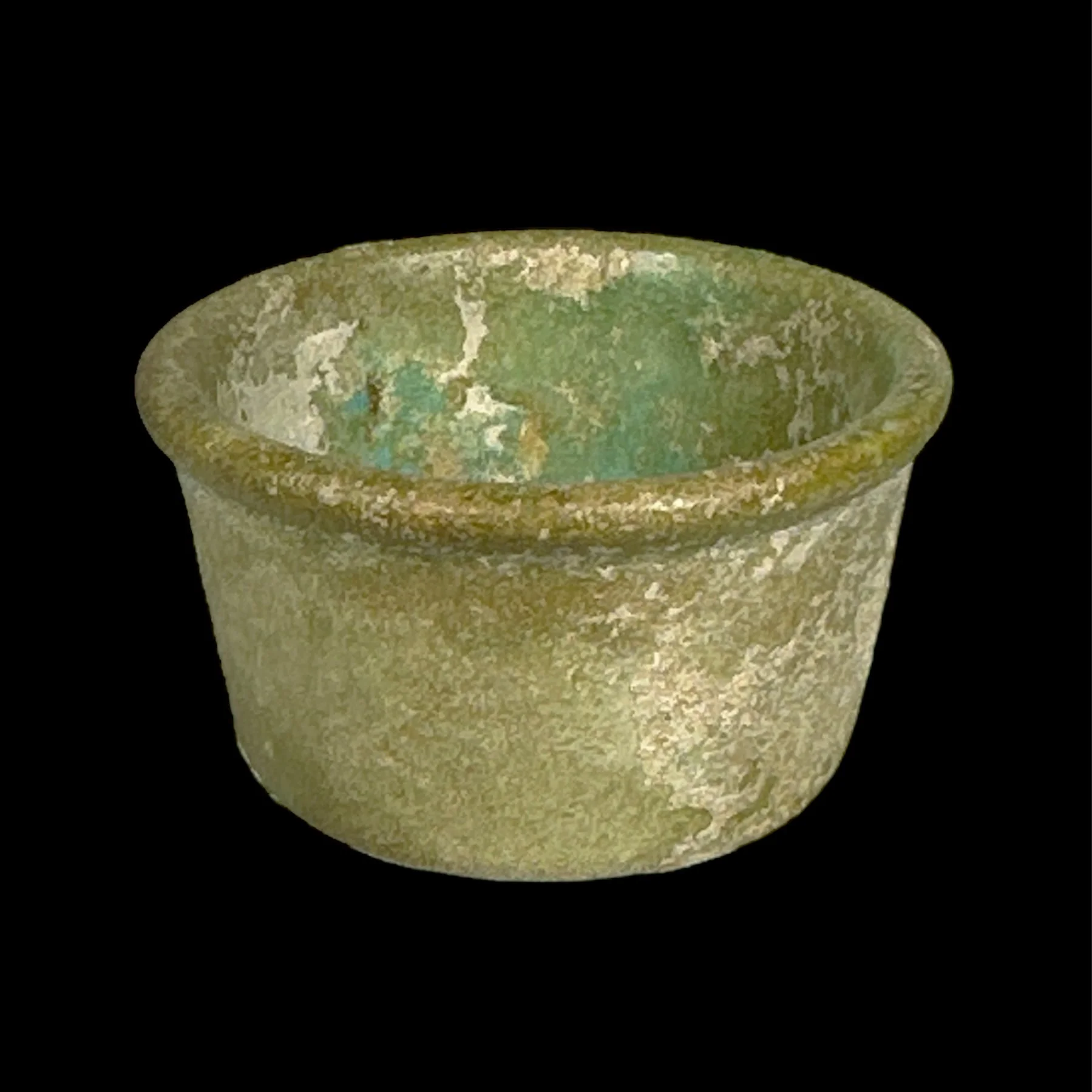


In the Spotlight
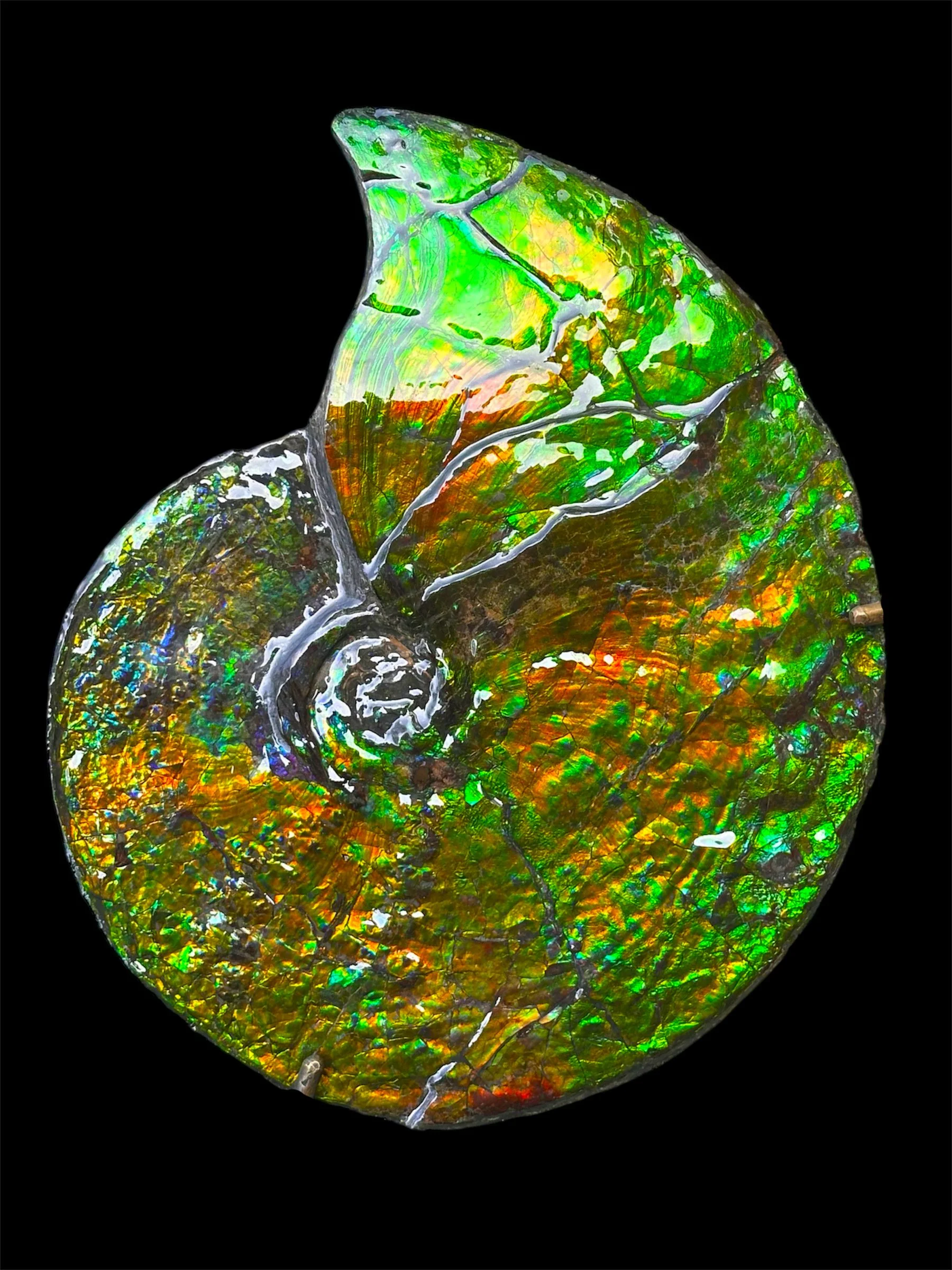
Ammolite (Fossil Ammonite Shell)
Late Cretaceous Period, approximately 70–75 million years ago
This specimen is a large fossil ammonite shell preserved as Ammolite, a rare biogenic gemstone formed from the aragonite layers of extinct marine cephalopods (Ammonoidea). Its distinctive iridescence, known as play-of-color, is produced by the diffraction and interference of light within exceptionally well-preserved, microscopically thin aragonite platelets. Variations in platelet thickness and orientation generate an intense, angle-dependent spectrum dominated by vivid greens, golds, and ambers, with localized flashes of red and secondary hues.
The fossil retains its original spiral morphology, with visible suture lines and growth structures characteristic of ammonites. Natural fracturing and mineral-filled seams reflect post-depositional geological processes and contribute to the characteristic mosaic texture of high-quality Ammolite.
Ammolite occurs in highly restricted geological settings and is found almost exclusively within the Bearpaw Formation of southern Alberta, Canada, deposited in a shallow inland sea during the Late Cretaceous. The exceptional brightness, chromatic range, and surface continuity of iridescence observed in this specimen indicate an unusually high degree of aragonite preservation. Specimens of this size and optical quality are uncommon and of notable scientific, educational, and curatorial significance.
Origin: Southern Alberta, Bearpaw Formation, Canada
Dimensions: approximately 14.5 inches ( 36,8 cm)
Material: Fossilized ammonite shell (aragonite-based Ammolite)
Fossils
Fossils are the preserved remains of plants and animals whose bodies were buried in sediments, such as sand and mud, under ancient seas, lakes and rivers.
Fossils also include any preserved trace of life that is typically more than 10 000 years old.
Soft body parts decay soon after death, but the hard parts, such as bones, shells and teeth can be replaced by minerals that harden into rock.
In very exceptional cases, soft parts like feathers, plant ferns or other evidence of life, such as footprints or dung, may also be preserved.
Remains can include microscopically small fossils, such as single-celled foraminifera or pollen grains, as well as more familiar fossils such as ammonites and trilobites.


Newest Collection
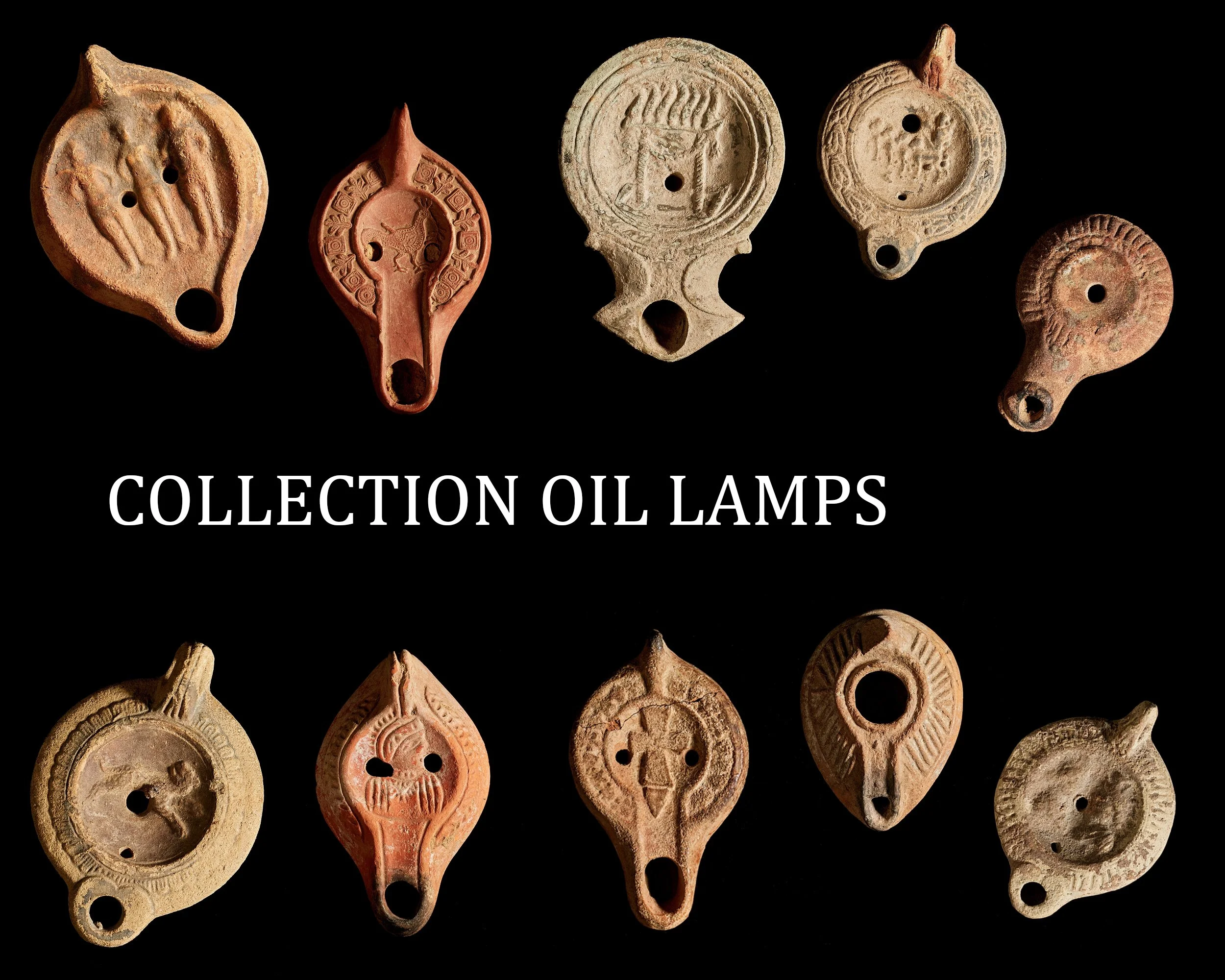
Roman oil lamps were among the most common and culturally significant objects of daily life in the ancient Roman world. Produced in enormous quantities from the late Republic through Late Antiquity, these small ceramic or metal vessels provided artificial light for homes, workshops, temples, taverns, and public buildings across the empire. Their widespread use and durable materials have made them one of the most frequently recovered artifacts in archaeological excavations, offering valuable insight into Roman technology, economy, religion, and domestic life.
Most Roman oil lamps were fueled by olive oil and fitted with a linen wick that protruded from a nozzle, where it was ignited to produce a steady flame. Early lamps were often simple and functional, but over time they became increasingly decorative. By the first century CE, many lamps were made in molds and featured detailed relief scenes on their upper surfaces, depicting gods, mythological stories, gladiators, animals, and symbols of good fortune. These images transformed ordinary household objects into powerful tools of communication, reflecting Roman beliefs, entertainment, and social values.
Because oil lamps were inexpensive and easily transported, they were traded widely throughout the Roman Empire. Local workshops produced lamps using regional clays, while major manufacturing centers exported standardized designs across vast distances. As a result, oil lamps help archaeologists trace trade networks, cultural exchange, and the spread of Roman influence.
Today, Roman oil lamps serve not only as evidence of how Romans illuminated their world but also as a window into how they expressed identity, religion, and status through everyday objects. Their combination of practical function and artistic decoration makes them a uniquely rich source for understanding Roman material culture.
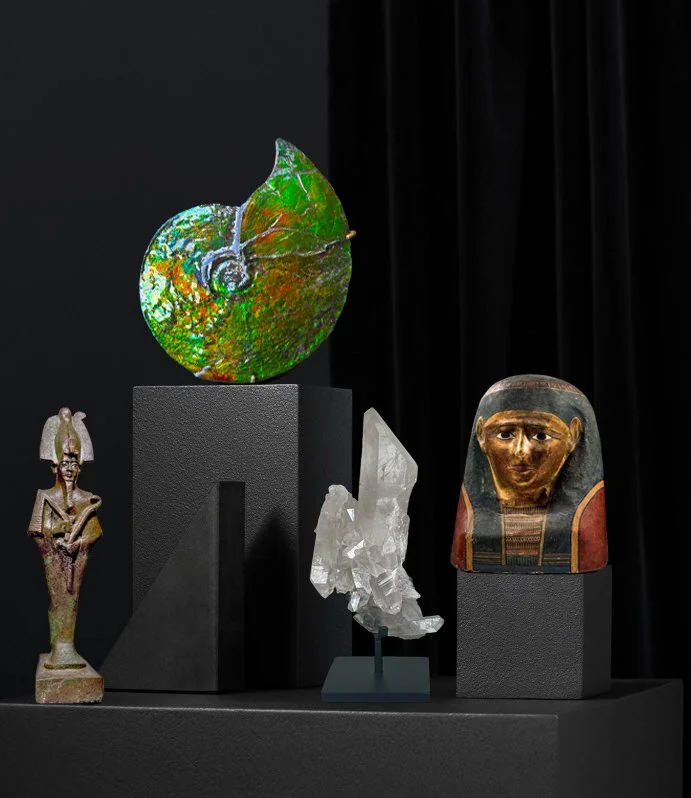
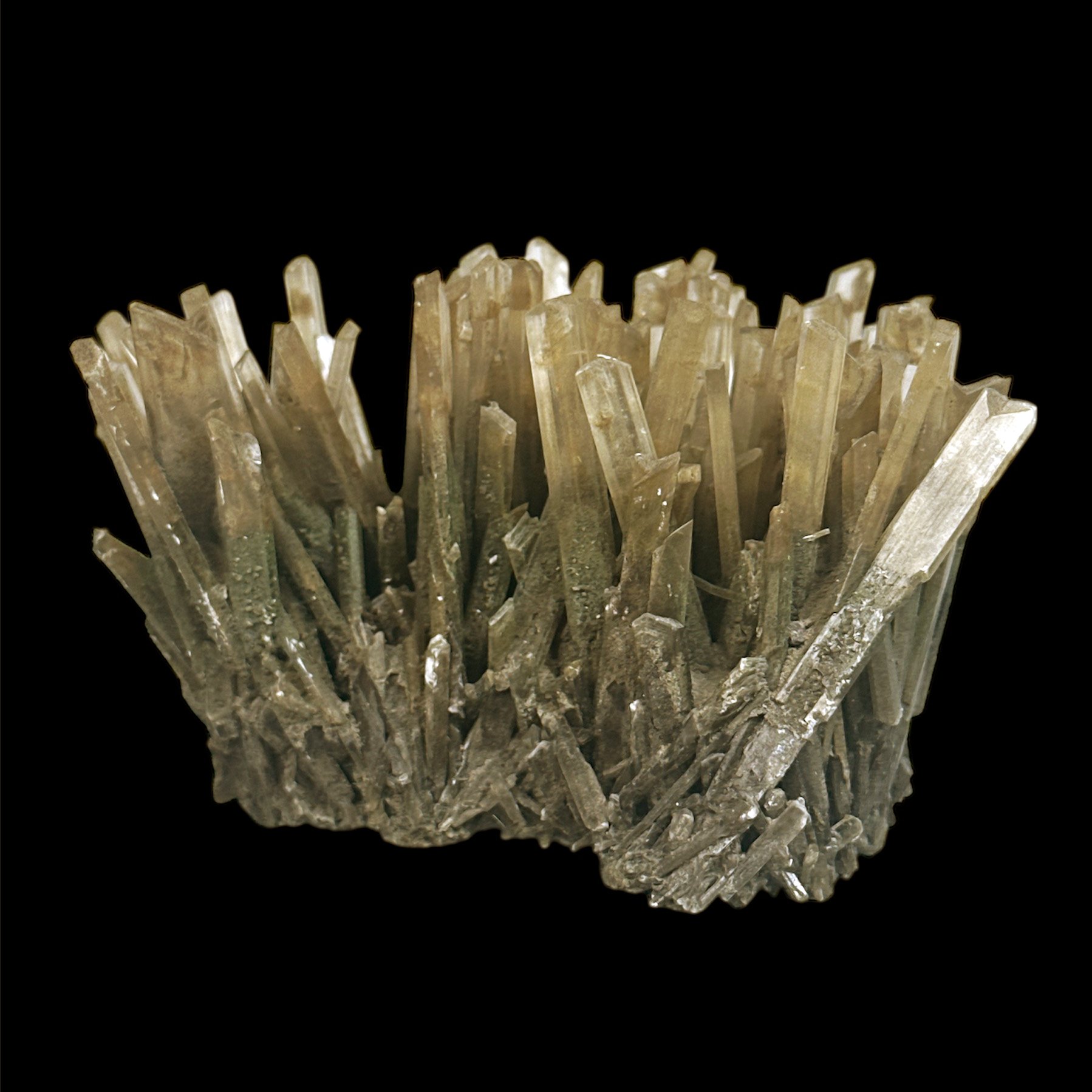
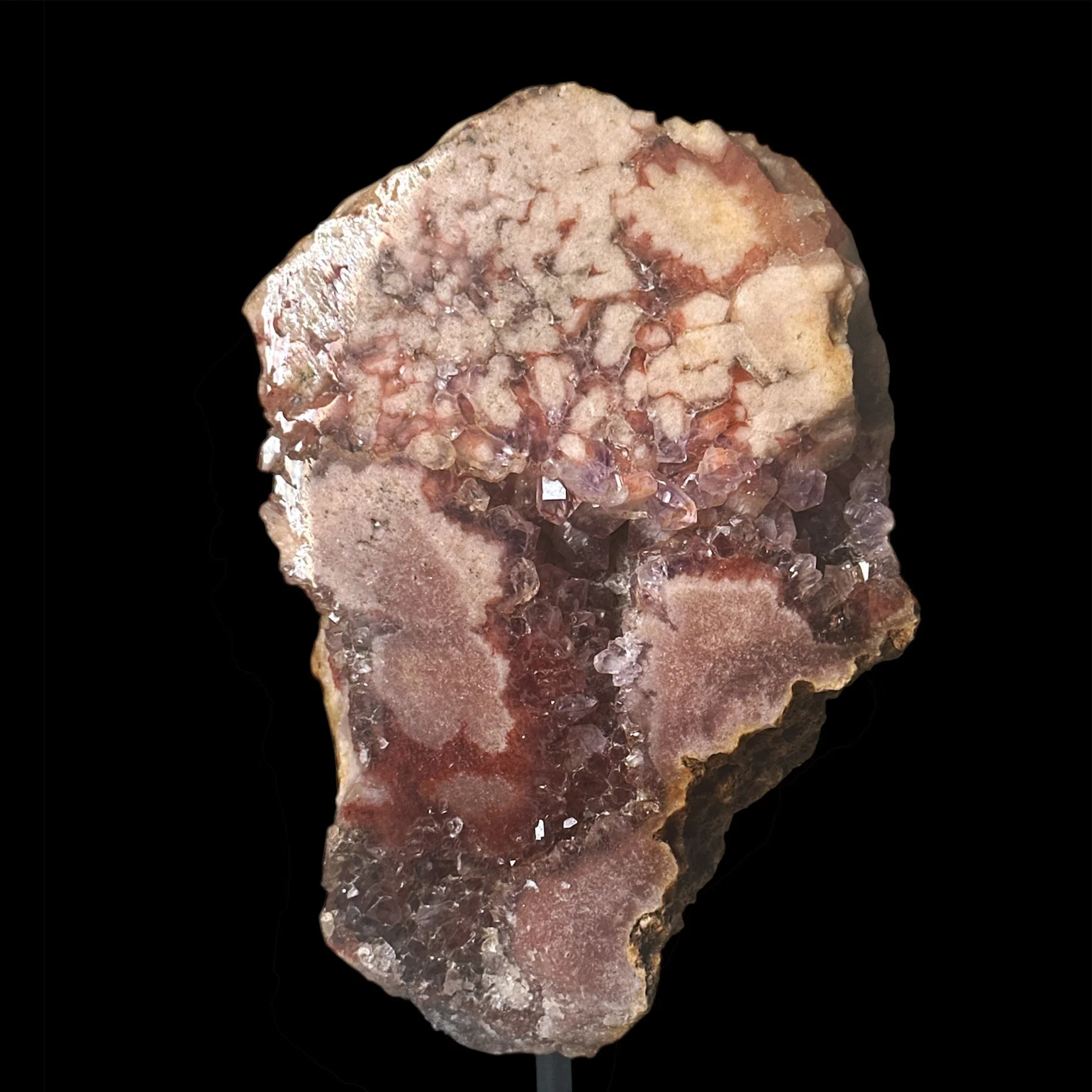
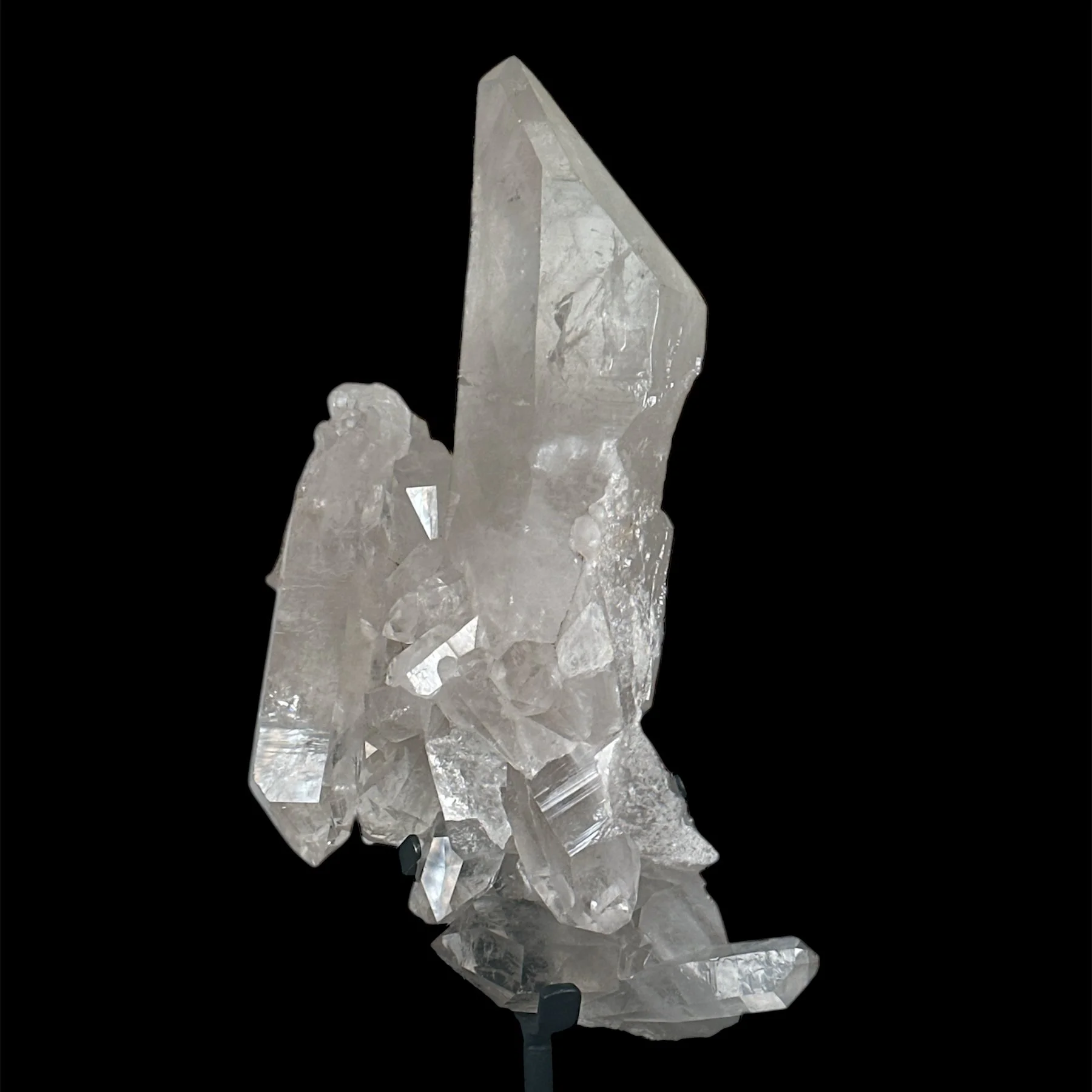
Minerals.
Discover nature’s hidden masterpieces—crystals forged over millennia, each with its own story of pressure, heat, and time. From dazzling quartz to rare gemstones, this collection showcases the beauty, diversity, and scientific wonder of Earth's treasures.


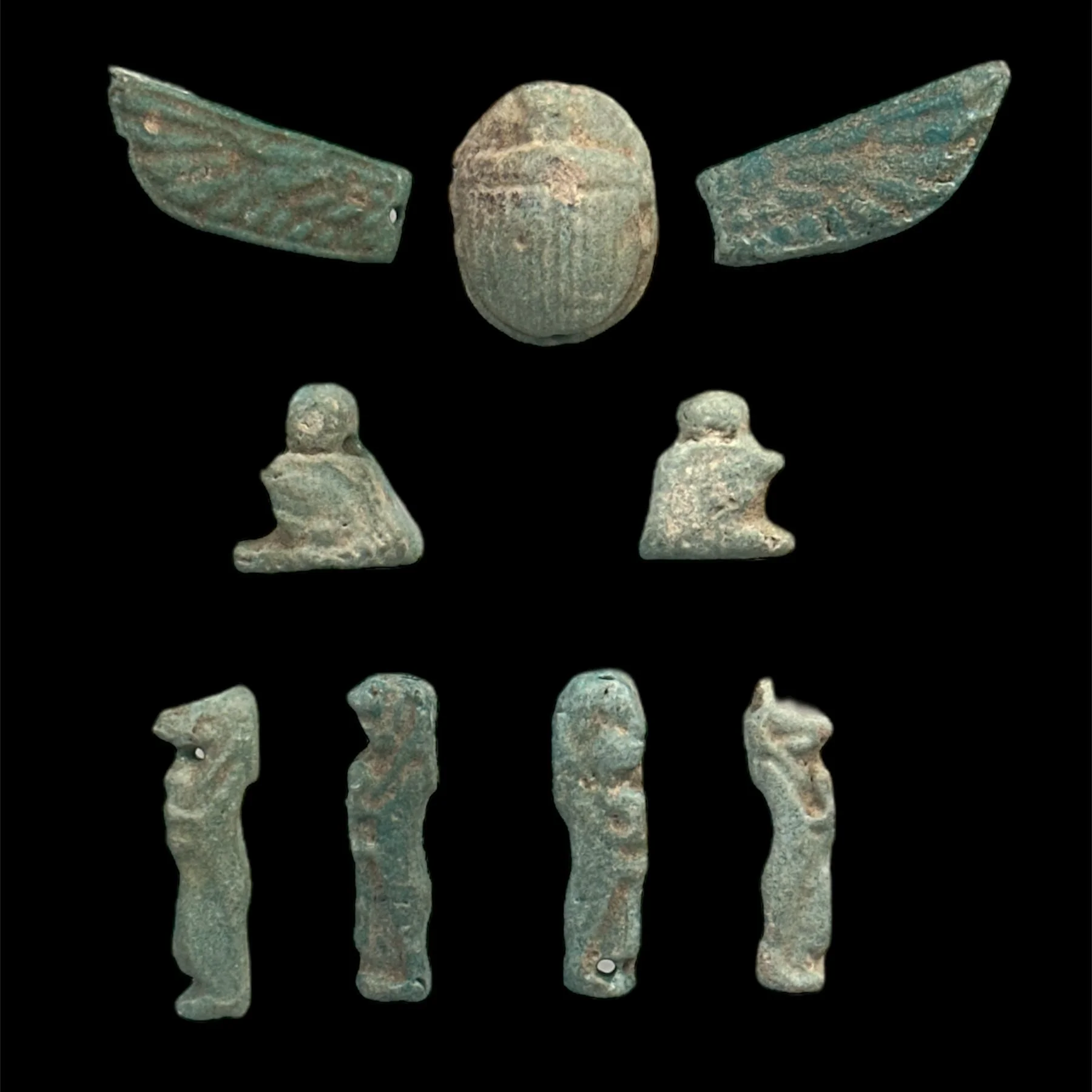
Shabti, Shawabti and Ushabti


Shabti, Ushabti or servant for the afterlife.
A shabti is a small figure that was placed in the tomb of an Ancient Egyptian.
The Ancient Egyptians believed that the afterlife would be the life to e lived,
so they created shabtis to serve the dead in their next life doing tasks such as irrigating the river and farming fields.
Although the design, materials and size of figures changed over time, all shabtis have several features in common.
Shabtis are based on human figures that have been mummified and just like mummies, shabtis are usually sculpted with their legs bound together and their arms folded.
It is a common feature for older shabtis to feature an inscription in hieroglyphics on the lower part of the body.
This was later replaced with the name and title of their owner.
The inscription was a spell binding the shabti to the deceased and calling them to serve in the afterlife.
Shapti Spell
Although there are lots of variations of the spell, it could be translated into english as:
O, shabti, if you are called upon.
To do all the work that needs to be done in the afterlife.
“Here I am!,” you will say when you are called to serve.
To farm the fields, to irrigate the river and to ferry sand.
“Here I am,” you will say.


Provenance, Catalogs, and the Integrity of Ancient Art — Why It Matters
At Art of the Ancient, we believe that every piece of ancient art carries a story—and it's our responsibility to make sure that story is preserved, documented, and transparent.
When you're acquiring ancient art, provenance isn’t optional—it’s essential.
All Collections.
Discover rare antiquities that echo the lives of ancient civilizations, natural history wonders showcasing Earth’s breathtaking past, and fine art masterpieces crafted by skilled hands across generations.